
iola8394532752
About iola8394532752
Modafinil: A Complete Case Study on Its Use, Effects, And Implications
Modafinil, a wakefulness-selling agent, has gained significant consideration since its approval by the U.S. Meals and Drug Administration (FDA) in 1998 for the treatment of narcolepsy and other sleep disorders. This case research explores the pharmacological properties, therapeutic functions, potential for misuse, and implications for public well being, drawing on numerous research findings and clinical observations.
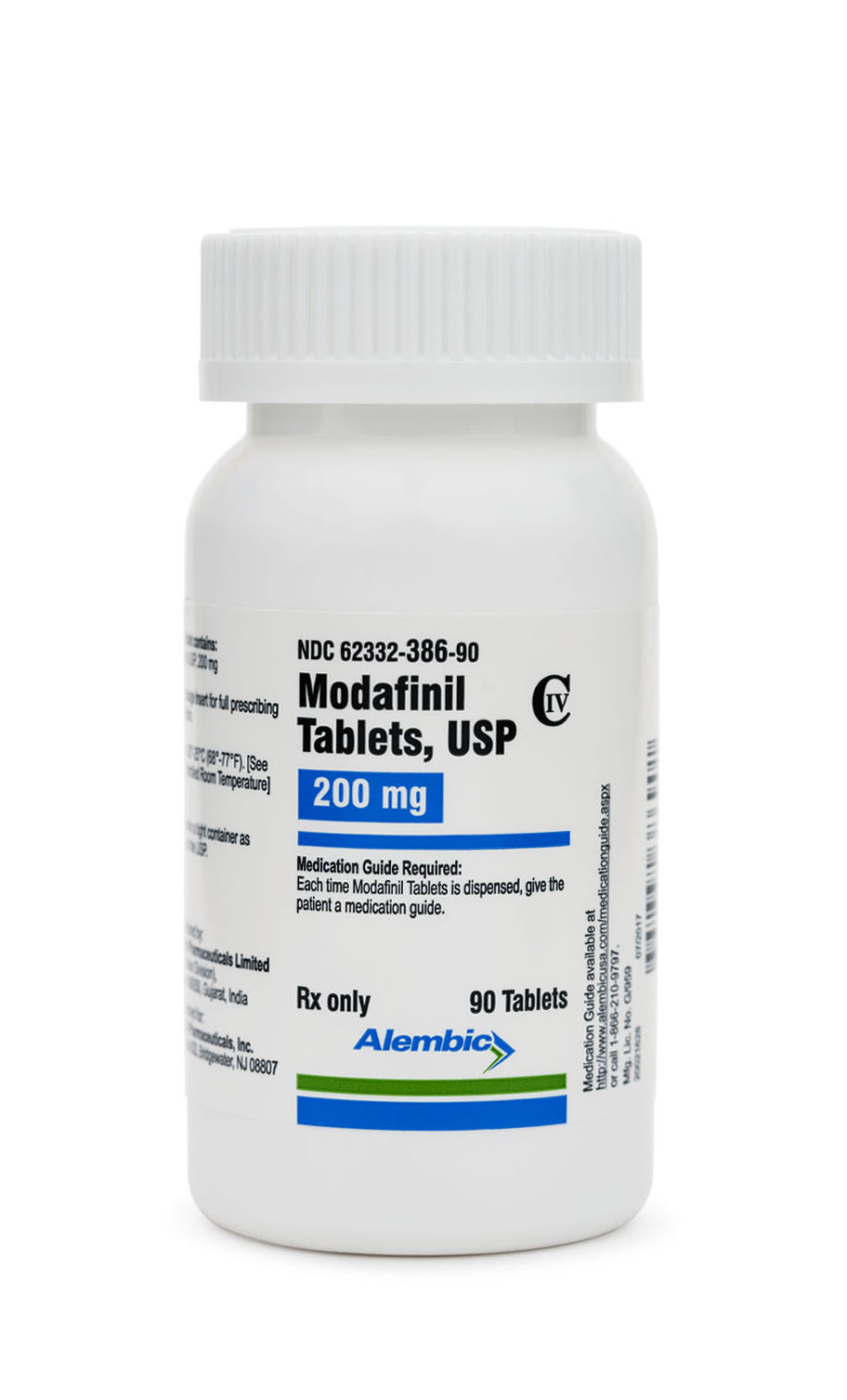
Pharmacological Properties
Modafinil is labeled as a eugeroic, a term for substances that promote wakefulness. Its actual mechanism of action isn’t fully understood, but it is believed to influence a number of neurotransmitter systems, together with dopamine, norepinephrine, and histamine. Not like traditional stimulants akin to amphetamines, modafinil has a lower potential for abuse, which has led to its consideration as a safer various for enhancing cognitive function and alertness.
Therapeutic Functions
Initially developed for treating sleep disorders, modafinil has been prescribed for varied circumstances, including:
- Narcolepsy: Modafinil is primarily indicated for narcolepsy, a chronic sleep disorder characterized by excessive daytime sleepiness and sudden sleep assaults. Clinical trials have demonstrated its efficacy in lowering daytime sleepiness and improving total quality of life for patients.
- Obstructive Sleep Apnea (OSA): Patients with OSA usually experience extreme daytime sleepiness regardless of using steady positive airway pressure (CPAP) therapy. Research have shown that modafinil may also help alleviate this residual sleepiness, making it a beneficial adjunct remedy.
- Shift Work Sleep Disorder (SWSD): For individuals working non-traditional hours, modafinil has been effective in enhancing alertness and performance throughout waking hours, thereby enhancing productivity and security.
- Cognitive Enhancement: Past its permitted makes use of, modafinil has gained popularity amongst wholesome people in search of cognitive enhancement. Analysis indicates that it might improve govt capabilities, including planning, resolution-making, and dealing memory, particularly in sleep-deprived people.
Case Studies and Research Findings
A number of case research and clinical trials have explored the results of modafinil on numerous populations. For example, a research printed in the journal ”Neuropsychopharmacology” found that modafinil improved cognitive efficiency in healthy volunteers, significantly in tasks requiring sustained attention and problem-fixing skills. If you adored this post and you would such as to receive more details concerning buymodaonline kindly see our own internet site. Another research in ”Psychological Medication” reported that modafinil enhanced memory consolidation throughout sleep deprivation, suggesting its potential for enhancing cognitive perform in high-stress situations.
Nevertheless, the cognitive-enhancing results of modafinil in healthy individuals remain a topic of debate. Critics argue that while it might benefit those who are sleep-deprived, its effects on individuals with regular sleep patterns are much less clear. A meta-analysis in ”Cognitive, Affective, & Behavioral Neuroscience” concluded that while modafinil has modest effects on cognitive performance, the ethical implications of its use as a cognitive enhancer warrant additional investigation.
Potential for Misuse
Regardless of its therapeutic advantages, modafinil has been related to a potential for misuse, significantly amongst college students and professionals in search of to enhance their efficiency. The World Anti-Doping Agency (WADA) has classified modafinil as a prohibited substance in sports, citing its potential to enhance endurance and cognitive function. Studies of off-label use in academic and skilled settings elevate considerations concerning the ethics of cognitive enhancement and the stress to carry out.
A survey carried out amongst college students revealed that a big share had used modafinil with out a prescription, typically citing the desire to improve focus and tutorial efficiency. This pattern highlights the necessity for consciousness and training concerning the risks related to non-medical use, together with potential negative effects similar to insomnia, anxiety, and cardiovascular issues.
Unintended effects and Safety Profile
Modafinil is generally nicely-tolerated, with a positive safety profile in comparison with conventional stimulants. Widespread unwanted side effects include headache, nausea, and insomnia. Serious opposed effects, equivalent to pores and skin rashes and hypersensitivity reactions, though uncommon, have been reported. The lengthy-time period effects of modafinil use, particularly in wholesome individuals, stay unclear, necessitating warning and additional research.
Implications for Public Health
The growing popularity of modafinil as a cognitive enhancer raises essential public well being issues. As extra people search pharmacological options for performance enhancement, it’s crucial to address the moral, social, and health implications of such practices. Schooling and awareness campaigns will help inform the public about the potential dangers of misuse and the importance of maintaining a wholesome way of life.
Furthermore, healthcare suppliers should be vigilant in prescribing modafinil, making certain that it is used appropriately and monitoring for potential misuse. Establishing guidelines for its use in non-medical contexts may help mitigate dangers and promote responsible usage.
Conclusion
Modafinil represents a significant development within the therapy of sleep disorders and has garnered curiosity for its cognitive-enhancing properties. Whereas its therapeutic functions are well-established, the potential for misuse and ethical concerns surrounding its use as a cognitive enhancer cannot be ignored. As research continues to evolve, a balanced approach that prioritizes patient safety, ethical concerns, and public well being might be important in navigating the complexities of modafinil’s position in society. Ongoing training and analysis will play a pivotal function in shaping the way forward for modafinil and its implications for both medical and non-medical customers.
No listing found.